Lettering Guide Template: A Comprehensive Overview (Updated 04/29/2026)
Today, April 29th, 2026, offers numerous free resources like Crooked Creek Life, Tombow worksheets, and Pigeon Letters, alongside editable Freepik vectors for crafting personalized guides.
What is a Lettering Guide Template?
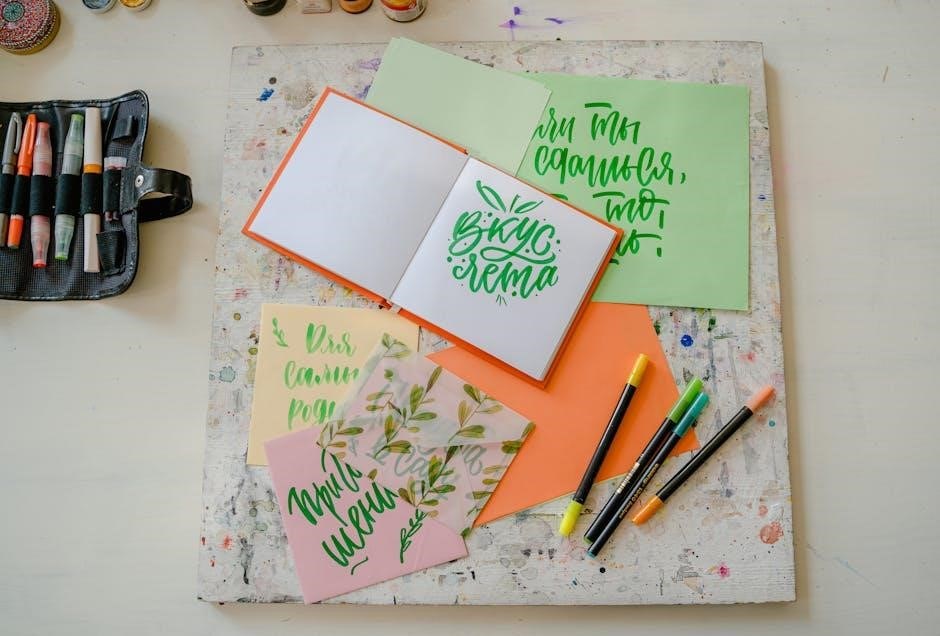
A lettering guide template serves as a foundational tool for anyone looking to learn or refine their hand lettering skills. These templates, available in various formats – from printable worksheets to editable vector files – provide pre-designed structures to practice letterforms, strokes, and overall composition.
Essentially, they offer a structured learning path, breaking down complex lettering styles into manageable components. Resources like those from Crooked Creek Life and Tombow offer downloadable practice sheets, while Freepik provides editable vectors allowing for customization. They aren’t about tracing, but rather understanding the anatomy of each letter and building muscle memory through consistent practice.
Templates help establish consistency and improve technique, ultimately enabling users to develop their unique lettering style. They are invaluable for beginners and experienced letterers alike.
Why Use a Lettering Guide Template?
Lettering guide templates streamline the learning process, offering a clear path to improvement. They eliminate the initial guesswork of proportions and shapes, allowing focus on stroke pressure and consistency. Resources like those found on Crooked Creek Life and through Tombow worksheets provide structured practice.
Using templates accelerates skill development, fostering confidence and reducing frustration. Editable vectors from Freepik empower customization, adapting guides to individual needs and preferred styles. They’re beneficial for understanding letter connections and word formation, crucial for legible and aesthetically pleasing lettering.
Ultimately, templates provide a solid foundation for building a personalized lettering style, saving time and enhancing results.
Types of Lettering Styles for Templates
Lettering templates cater to diverse styles, from elegant modern calligraphy to dynamic brush lettering. Faux calligraphy, a beginner-friendly option, mimics the look of brush lettering without specialized tools, making it ideal for practice sheets.
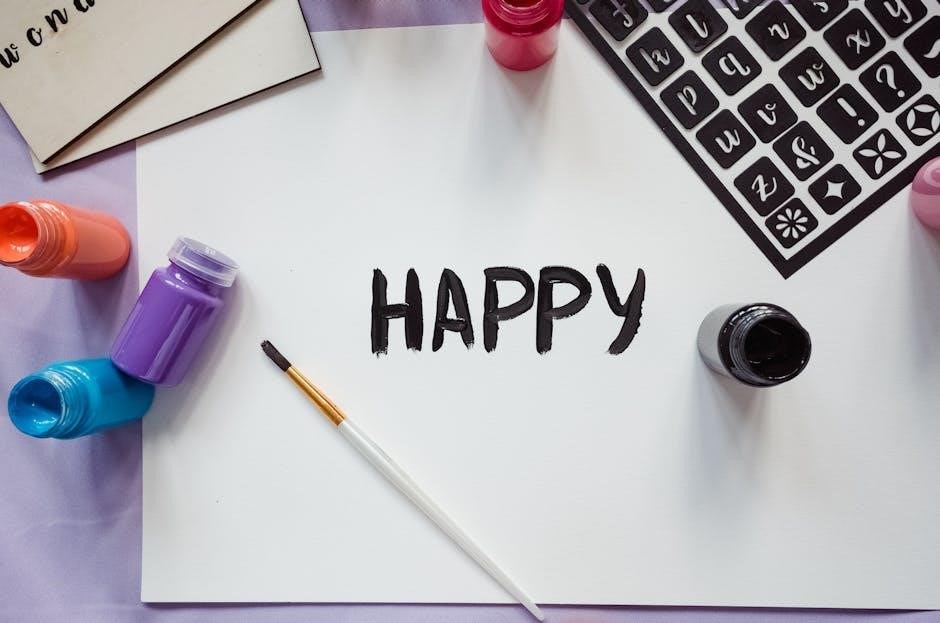
Templates often focus on foundational strokes, applicable across styles. Resources like those from The Pigeon Letters and Destination Decoration demonstrate variations within brush lettering, offering slant and pressure control exercises. Freepik’s vector options allow exploration of numerous script fonts.
Choosing a template aligned with your desired style is key. Whether aiming for flowing curves or bold statements, a focused template accelerates learning and skill refinement.
Modern Calligraphy
Modern calligraphy templates emphasize fluid strokes and artistic flourishes, diverging from traditional scripts. Practice sheets often include guidelines for consistent letter height and slant, crucial for developing a refined style; Resources like Tombow’s worksheets and those from Crooked Creek Life provide excellent starting points.
Templates frequently break down complex letterforms into simpler components, aiding in muscle memory development. Freepik’s vector templates showcase diverse modern calligraphy fonts, inspiring creative exploration. Mastering basic strokes is paramount, forming the foundation for elegant letter connections.
Consistent practice with a dedicated template unlocks beautiful, personalized calligraphy.
Brush Lettering
Brush lettering templates are specifically designed for use with brush pens, focusing on thick downstrokes and thin upstrokes. Numerous free practice sheets, such as those offered by Dawn Nicole Designs and The Postmans Knock, are readily available online. These sheets often include drills to build control over pressure and pen angle.
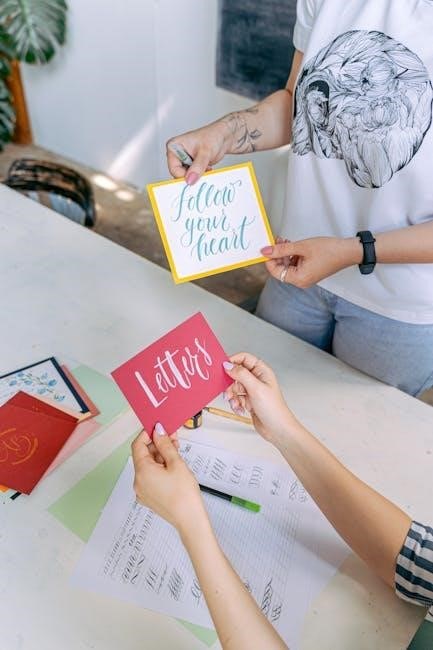
Templates frequently demonstrate letter connections and word formations, helping learners achieve a natural flow. Resources like Destination Decoration’s beginner guides provide structured learning paths. Freepik’s editable vectors allow for customization and experimentation with different brush lettering styles.
Consistent practice with these templates is key to mastering this dynamic art form.
Faux Calligraphy
Faux calligraphy offers an accessible entry point into the world of elegant lettering, requiring only a standard pen. Lettering guide templates for faux calligraphy emphasize thickening downstrokes after writing, simulating the look of brush lettering. This technique is ideal for those starting their lettering journey.
While dedicated faux calligraphy templates are less common than brush lettering sheets, basic alphabet practice sheets can be adapted. The focus is on consistent stroke weight and precise thickening. Freepik’s vector templates can be modified to create faux calligraphy guides, offering design flexibility.
It’s a fantastic way to build foundational skills.
Essential Elements of a Lettering Guide Template
A comprehensive lettering guide template must include basic stroke drills, focusing on upstrokes, downstrokes, and transitions; Alphabet practice – both uppercase and lowercase – is crucial, providing traceable letters for consistent form. Templates should demonstrate connecting letters and word formation, illustrating proper spacing and flow.
Effective guides often incorporate a grid system and baseline construction to maintain uniformity. Resources like Freepik offer editable vectors to customize these elements. Downloadable practice sheets from sources like Crooked Creek Life and Tombow provide pre-designed drills and alphabets, streamlining the learning process.
Basic Stroke Drills
Fundamental to any lettering practice are basic stroke drills. These exercises build muscle memory and control, essential for consistent letterforms. Focus on mastering upstrokes – light and thin – and downstrokes – thick and deliberate. Practice transitions between these strokes, creating smooth curves and angles.
Lettering guides often include repetitive drills for these core movements. Resources like downloadable worksheets from Crooked Creek Life and Tombow emphasize these foundational skills. Consistent practice with these drills improves pen control and lays the groundwork for more complex lettering styles, ultimately enhancing overall technique.
Alphabet Practice (Uppercase & Lowercase)
Following stroke drills, alphabet practice is crucial. Lettering guides dedicate sections to both uppercase and lowercase letterforms, often providing traceable templates. Begin with consistent letter height and width, focusing on replicating the provided examples. Resources like those from The Pigeon Letters offer structured practice sheets.
Pay attention to the unique characteristics of each letter, noting variations in stroke weight and angle. Consistent practice builds familiarity and improves legibility. Many guides, including Tombow’s worksheets, encourage repetition to solidify muscle memory and develop a personal lettering style.
Connecting Letters & Word Formation
Mastering connections between letters is vital for fluid word formation. Lettering guides often demonstrate common ligatures and transitional strokes, showing how letters seamlessly join. Practice connecting letters slowly, maintaining consistent spacing and rhythm. Resources like those found on Crooked Creek Life can aid this process;
Focus on avoiding awkward gaps or collisions. Experiment with different connection styles to develop a unique aesthetic. Consistent practice with word examples builds confidence and improves overall flow. Consider analyzing existing calligraphy for inspiration, observing how professionals link letters naturally.
Free Downloadable Lettering Practice Sheets
Numerous online resources offer free lettering practice sheets, perfect for beginners and seasoned artists alike. Crooked Creek Life provides downloadable worksheets specifically designed for Tombow brush pens, aiding in stroke control. The Pigeon Letters also offers free practice sheets, focusing on foundational brush lettering techniques;
Destination Decoration provides beginner-friendly guides, while Dawn Nicole Designs offers extensive resources, including 30-day improvement plans and double letter practice. The Postmans Knock features worksheets with neat slant editions. These sheets are invaluable for building muscle memory and refining your lettering skills, offering structured practice sessions.
Crooked Creek Life Templates
Crooked Creek Life stands out as a valuable resource for free, downloadable lettering practice worksheets. These templates are specifically tailored for use with Tombow dual brush pens, a popular choice among lettering enthusiasts. The worksheets focus on building fundamental skills, offering guided practice for various strokes and letterforms.
Users benefit from structured exercises designed to improve control and consistency. The availability of these free resources makes learning brush lettering accessible to everyone, regardless of skill level. Crooked Creek Life’s templates provide a solid foundation for developing a personalized lettering style, fostering creativity and confidence.
Tombow Practice Worksheets
Tombow, a leading brand in brush pens, frequently offers free practice worksheets designed to complement their products. These worksheets, often available through collaborations like Crooked Creek Life, are specifically crafted to help users master brush lettering techniques using Tombow dual brush pens.
The focus is on developing control over pressure and pen angle, essential for achieving beautiful, consistent lettering. Tombow’s resources typically include basic stroke drills, alphabet practice (both uppercase and lowercase), and guidance on connecting letters to form words. These readily accessible materials empower beginners and experienced letterers alike to refine their skills and explore creative possibilities.
The Pigeon Letters Free Sheets
The Pigeon Letters provides a valuable collection of free brush lettering practice sheets, catering to various skill levels. These resources are designed to build foundational skills and explore different lettering styles, offering a convenient and accessible learning path.
The sheets typically include comprehensive stroke drills, alphabet guides (uppercase and lowercase), and exercises focused on word connections. The Pigeon Letters emphasizes a gradual learning approach, helping users develop muscle memory and confidence. These free downloads are an excellent starting point for anyone eager to delve into the art of modern calligraphy and brush lettering, offering a supportive learning experience.
Utilizing Editable Lettering Vectors
Editable lettering vectors, readily available from platforms like Freepik, significantly enhance the creation of customized lettering guide templates. These vectors offer a flexible base for adapting and modifying existing designs, saving considerable time and effort. Freepik’s extensive library includes AI-generated and stock vectors, providing diverse options for various aesthetic preferences.
Using these vectors allows for easy adjustments to letterforms, spacing, and overall layout. Designers can tailor templates to specific teaching needs or branding guidelines. The ability to edit ensures a unique and personalized learning experience, moving beyond static, pre-designed worksheets and fostering creative exploration.
Freepik Resources for Editable Lettering
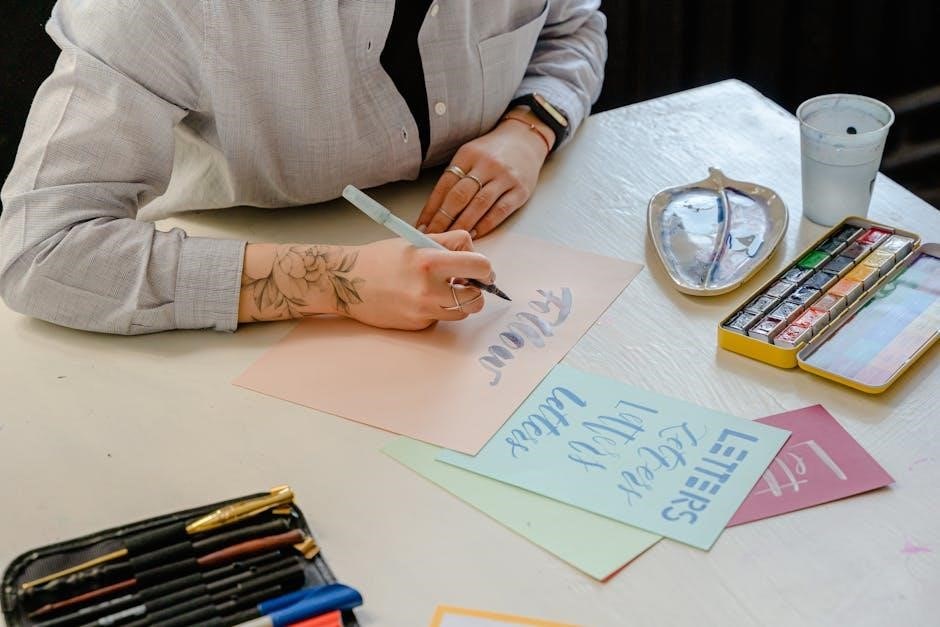
Freepik stands out as a premier resource for high-quality, free editable lettering vectors, crucial for building dynamic lettering guide templates. Their platform boasts a vast collection, encompassing both AI-generated and traditional stock vectors, catering to diverse design needs and styles. Users can easily download these resources to customize letterforms, experiment with layouts, and create unique practice sheets.
The accessibility of Freepik’s vectors empowers educators and hobbyists alike to produce professional-looking guides without extensive design expertise. Regularly updated content ensures fresh inspiration and current trends are readily available, enhancing the visual appeal and effectiveness of lettering practice materials.
Customizing Vector Templates
Leveraging editable vector templates from platforms like Freepik unlocks significant creative control over your lettering guide. Import the vectors into software such as Illustrator or Procreate to modify stroke weights, letter spacing, and overall design aesthetics. Experiment with color palettes to enhance visual clarity and appeal for learners.
Beyond basic adjustments, you can integrate personalized elements like custom flourishes or unique baseline grids. Consider adding practice prompts or directional guides directly onto the vector artwork; This customization ensures the final guide perfectly aligns with your teaching style and the specific lettering techniques you’re demonstrating.
Letter Template Vectors: Design Inspiration
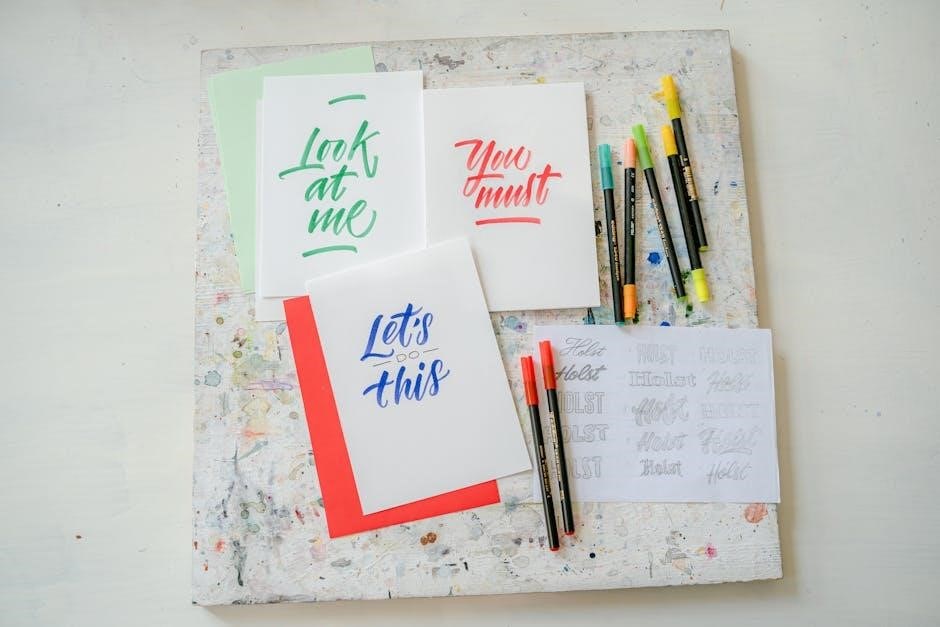
Freepik’s extensive collection of letter template vectors provides a rich source of inspiration for your lettering guide. Explore diverse styles, ranging from elegant calligraphy to modern brush lettering designs, to spark new ideas. These vectors aren’t just templates; they’re starting points for innovation.
Analyze the composition, letterforms, and decorative elements within each vector to understand effective design principles. Consider how different layouts and arrangements can enhance the learning experience. Adapt and combine elements from multiple vectors to create a truly unique and visually engaging guide, tailored to your specific instructional goals.
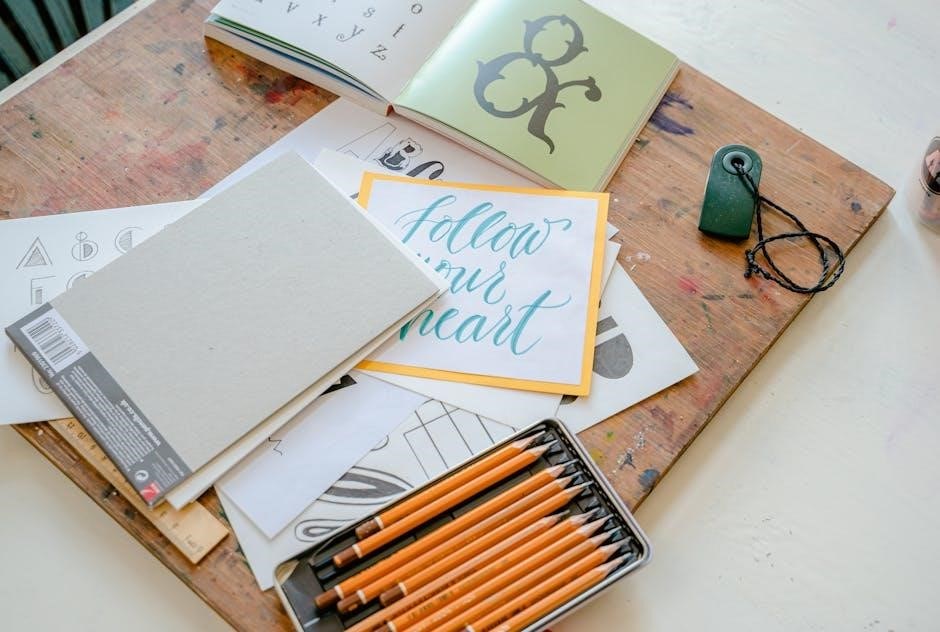
Freepik’s Letter Template Vector Collection
Freepik boasts a vast library of free, high-quality letter template vectors, offering a diverse range of styles to elevate your lettering guide. Discover AI-generated options alongside traditional stock vectors, providing both cutting-edge and classic designs. This collection is regularly updated with fresh content, ensuring access to the latest trends.
Vectors are available in various formats, compatible with popular design software like Illustrator and Procreate. Seamlessly integrate these assets into your guide to create professional-looking layouts and visually appealing practice sheets. Freepik’s resources empower you to design comprehensive and engaging lettering tutorials with ease.
Integrating Vectors into Your Guides
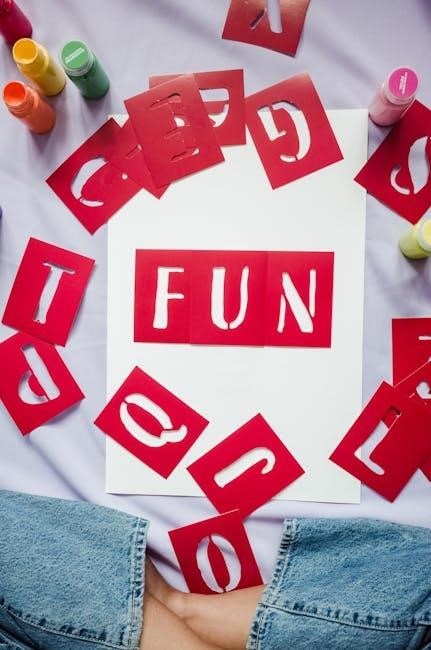
Successfully incorporating Freepik’s letter template vectors into your lettering guide enhances visual appeal and provides clear examples for learners. Import the vectors into your chosen software – Illustrator, Procreate, or similar – and adjust sizing and colors to match your guide’s aesthetic. Utilize vector elements as foundational shapes for tracing practice or as inspirational examples of letterforms.
Ensure proper layering to avoid visual clutter and maintain clarity. Experiment with different vector combinations to create unique word arrangements and demonstrate connecting letters. Vectors streamline the design process, allowing you to focus on instructional content and practice exercises, ultimately creating a more effective learning tool.
Creating Your Own Lettering Guide Template
Designing a custom lettering guide begins with selecting appropriate software like Illustrator or Procreate, offering flexibility and precision. Establish a clear grid system and baseline construction to ensure consistent letter heights and spacing – crucial for beginners. Incorporate basic stroke drills and alphabet practice sections, dedicating space for both uppercase and lowercase forms.
Consider including sections on connecting letters and word formation, demonstrating fluidity and rhythm. Leverage free resources like Freepik vectors for inspiration, but prioritize original content. Remember to test your template thoroughly, ensuring clarity and ease of use for learners of all levels, resulting in a polished, effective guide.
Software Options (Illustrator, Procreate, etc.)
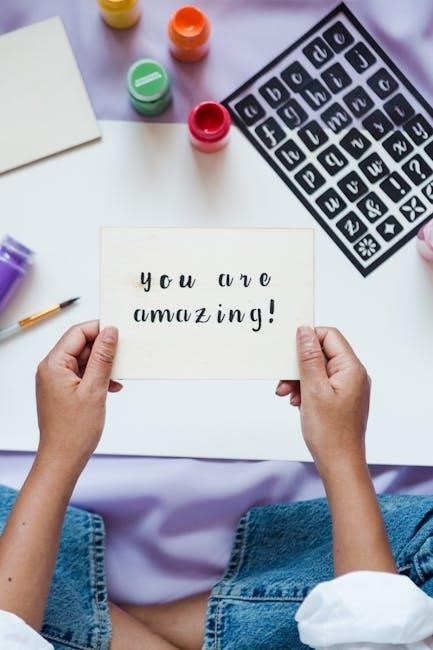
Adobe Illustrator provides vector-based precision, ideal for scalable templates and intricate designs, offering robust control over every element. Procreate, on the other hand, excels with its natural brush feel, perfect for mimicking traditional lettering styles on an iPad. Other viable options include Affinity Designer, a cost-effective alternative to Illustrator, and even free tools like Inkscape.
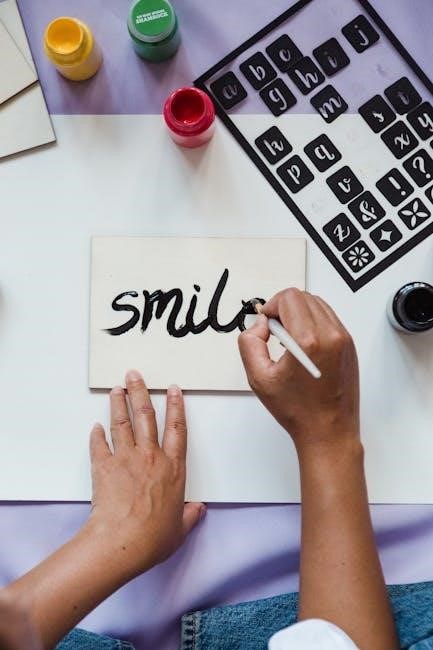
The best choice depends on your skill level and desired aesthetic. Illustrator is favored by professionals, while Procreate appeals to those seeking a more tactile experience. Regardless of the software, mastering layers and utilizing grid systems are essential for creating professional-looking lettering guides.
Grid Systems and Baseline Construction
Establishing a solid foundation is crucial for consistent lettering. A grid system, composed of horizontal and vertical lines, provides structure and guides letter placement, ensuring uniformity across your template. The baseline, the imaginary line upon which letters sit, is paramount for readability and visual balance.
X-height, the height of the main body of lowercase letters, and ascender/descender lines further refine the grid. Consistent spacing between letters (kerning) and lines (leading) enhances the overall aesthetic. Utilizing these elements within your chosen software (Illustrator, Procreate, etc.) guarantees a professional and polished lettering guide.