Scapular dyskinesis represents alterations in scapular position or movement, impacting shoulder function and potentially leading to impingement syndromes.
Proper scapular motion is crucial for efficient arm elevation, force transfer, and overall shoulder health, preventing compensatory movement patterns.
Causes include muscle imbalances, poor posture, repetitive overhead activities, and underlying shoulder pathologies, often requiring targeted exercise programs.
What is Scapular Dyskinesis?
Scapular dyskinesis isn’t a diagnosis itself, but rather a description of altered scapular movement patterns. It manifests as observable changes in the scapula’s static position or its dynamic motion during shoulder joint movements. These alterations can include winging, protraction, upward rotation deficits, or a combination thereof.
Essentially, the shoulder blade isn’t moving as it should, disrupting the natural rhythm and mechanics of the shoulder complex. This abnormal movement can stem from muscle imbalances – weakness in key scapular stabilizers like the rhomboids and lower trapezius, coupled with tightness in muscles like the upper trapezius and pectorals. Recognizing these patterns is vital, as scapular dyskinesis increases the risk of shoulder pain and dysfunction, often preceding or accompanying conditions like shoulder impingement.
Corrective exercises, often found in scapular dyskinesis exercise PDFs, aim to restore proper scapular mechanics.
Importance of Scapular Movement
Optimal scapular movement is fundamental to efficient and pain-free shoulder function. The scapula acts as a stable base for the glenohumeral joint (shoulder joint), enabling a full range of motion during activities like reaching, lifting, and throwing. Proper scapular kinematics – including upward rotation, protraction, and posterior tilt – are essential for maximizing force production and minimizing stress on the shoulder’s delicate structures.
When the scapula doesn’t move correctly, it compromises the space within the shoulder joint, potentially leading to impingement and rotator cuff issues. Maintaining scapular control also contributes to core stability and overall upper body biomechanics. Scapular dyskinesis exercise PDFs emphasize restoring this crucial movement pattern to improve shoulder health and prevent future injuries, focusing on strengthening stabilizing muscles.
Causes of Scapular Dyskinesis
Several factors contribute to the development of scapular dyskinesis. Muscle imbalances, particularly weakness in the lower trapezius and serratus anterior, alongside tightness in the upper trapezius and pectoralis muscles, are primary culprits. Poor posture, especially prolonged forward head and rounded shoulder positions, also significantly impacts scapular positioning and movement.
Repetitive overhead activities, common in sports like swimming and volleyball, can overload the scapular stabilizers, leading to dysfunction. Underlying shoulder pathologies, such as rotator cuff tears or impingement syndrome, can also manifest as altered scapular mechanics. Exercise programs, often found in scapular dyskinesis exercise PDFs, aim to address these underlying causes by restoring muscle balance and improving postural alignment.
Assessment of Scapular Dyskinesis
Assessment involves visual observation, motion analysis, and electromyography (EMG) to identify altered scapular kinematics and muscle activation patterns.
Visual Assessment Techniques
Visual assessment is a cornerstone of identifying scapular dyskinesis, beginning with a static posture evaluation to observe scapular alignment – noting winging, protraction, or downward rotation.
Dynamic observation during arm elevation and lowering is critical; clinicians look for asymmetrical movements, early termination of range of motion, and abnormal scapular rhythms.
Specific movements like shoulder flexion, scaption, and external rotation are assessed, focusing on the scapula’s upward rotation, posterior tilt, and overall coordination with the humerus.
Landmarks such as the inferior angle, medial border, and acromion process are monitored for deviations from normal movement patterns. Observing for a “dropping” or “rounding” of the shoulder is also key.
These observations provide initial clues, guiding further, more objective assessments like motion analysis and EMG.
Motion Analysis for Scapular Kinematics
Motion analysis provides objective data on scapular movement, quantifying kinematics during shoulder function. Systems utilizing reflective markers placed on key scapular landmarks track three-dimensional motion.
Parameters assessed include scapular upward rotation, posterior tilt, protraction/retraction, and internal/external rotation throughout arm elevation and lowering phases.
Comparing affected and unaffected sides, or normative data, reveals deviations in timing and magnitude of scapular movements, pinpointing specific kinematic deficits.
Studies have utilized motion analysis to evaluate the effectiveness of corrective exercise programs, demonstrating improvements in scapular kinematics post-intervention.
This technology offers a detailed understanding of scapular dyskinesis, complementing visual assessments and EMG analysis for a comprehensive evaluation.
EMG Analysis of Scapular Muscles
Electromyography (EMG) assesses the electrical activity of scapular muscles, revealing activation patterns during shoulder movements. Surface or fine-wire electrodes detect muscle contractions, providing insights into timing, amplitude, and coordination.
Muscles commonly examined include the serratus anterior, trapezius (upper, middle, lower), rhomboids, and rotator cuff muscles, identifying imbalances or impaired activation.
EMG analysis can reveal delayed onset, reduced amplitude, or altered sequencing of muscle activation in individuals with scapular dyskinesis.
This data informs targeted exercise selection, focusing on strengthening weak muscles and improving neuromuscular control during rehabilitation programs.
Combining EMG with motion analysis offers a comprehensive understanding of the neuromuscular mechanisms underlying scapular dyskinesis.
Exercise Programs for Correction
Corrective exercise programs progressively address scapular dyskinesis through phases: pain management, stabilization, and strengthening, restoring optimal movement patterns.
Phase 1: Early Phase ― Pain Management & Mobility
The initial phase focuses on alleviating pain and restoring basic scapular mobility, preparing for more demanding exercises; Cervical retraction/chin tuck exercises address forward head posture, a common contributor to scapular dysfunction, gently strengthening deep neck flexors.
Upper trapezius stretches release tension in this often-overactive muscle, improving scapular upward rotation and reducing impingement risk. These stretches should be held for sustained periods, promoting muscle lengthening and reducing nerve irritation.
Gentle range of motion exercises, like pendulum swings and shoulder shrugs, further enhance mobility without exacerbating pain. The goal is to establish a pain-free foundation before progressing to stabilization exercises, ensuring optimal outcomes.
Cervical Retraction/Chin Tuck Exercises
Cervical retraction, or chin tucks, directly address forward head posture, a frequent finding in individuals with scapular dyskinesis. To perform this exercise, gently draw your chin backward, creating a “double chin” appearance, while maintaining a neutral head position. Avoid tilting the head up or down.
Focus on feeling a stretch at the base of the skull and a gentle contraction of the deep neck flexor muscles. Hold this retracted position for 3-5 seconds, then slowly release. Repeat 10-15 times, performing 2-3 sets throughout the day.
This exercise helps restore proper cervical alignment, which positively influences scapular positioning and movement, reducing strain on surrounding muscles.
Upper Trapezius Stretch
An often-tight muscle contributing to scapular dyskinesis is the upper trapezius. To stretch it effectively, sit or stand with good posture. Gently tilt your head towards one shoulder, bringing your ear closer to your shoulder – avoid lifting your shoulder up to meet your ear.
To deepen the stretch, you can gently apply overpressure with the hand on the same side as the stretch, pulling your head slightly further. Hold this stretch for 20-30 seconds, feeling a gentle pull along the side of your neck and upper shoulder.
Repeat 2-3 times on each side. This stretch aims to release tension in the upper trapezius, allowing for improved scapular movement and reduced muscle imbalances.
Phase 2: Mid-Phase ─ Scapular Stabilization
Following the initial pain management and mobility phase, the focus shifts to establishing proper scapular control and stability. This phase aims to activate and strengthen the muscles responsible for maintaining optimal scapular positioning during movement. Exercises are performed with a focus on quality of movement rather than quantity.
Key exercises include scapular squeezes, emphasizing rhomboid activation, and band pull-aparts, targeting the mid-trapezius and lower trapezius. These exercises help to counteract the effects of muscle imbalances and restore normal scapular kinematics.
Progression involves increasing resistance and incorporating more dynamic movements as strength and control improve.
Scapular Squeezes (Rhomboid Activation)
Scapular squeezes are a foundational exercise for activating the rhomboid muscles, crucial for retracting the scapula and correcting rounded shoulder posture. To perform, sit or stand with good posture, then gently squeeze your shoulder blades together, as if trying to hold a pencil between them.
Focus on maintaining a relaxed upper trapezius and avoiding shrugging the shoulders upwards. Hold the squeeze for 3-5 seconds, then slowly release. Repetitions typically range from 10-15, performed 2-3 sets.
Progression can involve adding resistance with a theraband or performing the exercise while seated on a stability ball to challenge core stability. This exercise is vital for establishing a stable base for further scapular stabilization exercises.
Band Pull-Aparts
Band pull-aparts effectively target the rhomboids, middle trapezius, and external rotators, promoting scapular retraction and external rotation – key components of scapular stabilization. To execute, hold a resistance band with arms extended in front of you, palms facing each other.
Maintain a slight bend in your elbows and pull the band apart, focusing on squeezing your shoulder blades together. Keep your elbows elevated and avoid shrugging. Hold the stretched position for 1-2 seconds, then slowly return to the starting position.
Perform 15-20 repetitions for 2-3 sets. Band resistance can be adjusted to suit individual strength levels. This exercise enhances scapular control and contributes to improved shoulder mechanics.
Phase 3: Late Phase ― Strengthening & Endurance
This phase focuses on building strength and endurance in the scapular stabilizers, preparing the shoulder for functional activities. Exercises progress to incorporate more dynamic movements and resistance. Scaption exercises (300° elevation) target the supraspinatus and improve scapular upward rotation, crucial for overhead movements.
External rotation exercises, using resistance bands or light dumbbells, strengthen the infraspinatus and teres minor, enhancing external rotation and scapular stability. Progress to weighted exercises with 1kg dumbbells, performing repetitions in controlled motions.
Repeated motion exercises, like arm elevation and lowering, build endurance. This phase aims to restore full shoulder function and prevent recurrence of dyskinesis.
Scaption Exercises (300° Elevation)
Scaption, or arm elevation in the scapular plane (approximately 30° anterior to the frontal plane), is vital for restoring proper shoulder mechanics. This exercise targets the supraspinatus muscle, a key initiator of arm abduction and upward scapular rotation. Begin with light resistance, such as no weight or a very light dumbbell (0.5-1kg).
Perform slow, controlled repetitions, focusing on initiating the movement from the scapula, not just the shoulder joint. Ensure the scapula rotates upward smoothly during elevation, avoiding shrugging or hiking. Progress by gradually increasing the weight or resistance band tension.
Repeat the motion, maintaining proper form throughout the exercise, aiming for 3 sets of 10-15 repetitions.
External Rotation Exercises
External rotation exercises are crucial for strengthening the infraspinatus and teres minor muscles, vital for scapular stability and preventing impingement. Utilize a resistance band secured to a stable object, or light dumbbells (0.5-1kg). Keep your elbow bent at 90 degrees and close to your side throughout the movement.
Slowly rotate your forearm outward, maintaining a controlled motion and avoiding any compensatory movements. Focus on feeling the contraction in the rear shoulder muscles. Avoid excessive rotation, which could strain the joint. Perform 3 sets of 10-15 repetitions, gradually increasing resistance as strength improves.
These exercises contribute to balanced shoulder muscle activation and improved scapular control.
Specific Exercises & Techniques
Myofascial release, physiotherapy, and manual therapy are key components, alongside targeted exercises, to address muscle imbalances and restore optimal scapular mechanics.
Myofascial Release Techniques
Myofascial release targets restrictions within the fascia – the connective tissue surrounding muscles – to improve tissue mobility and reduce pain associated with scapular dyskinesis.
Techniques often involve sustained pressure applied to trigger points in muscles like the upper trapezius, rhomboids, and serratus anterior, using tools like foam rollers or massage balls.
Self-myofascial release can be incorporated into a home exercise program, focusing on areas of tenderness or tightness. A physical therapist can also perform more advanced techniques.
Releasing myofascial restrictions allows for improved scapular gliding and rotation, enhancing the effectiveness of subsequent strengthening exercises. This approach addresses underlying soft tissue limitations contributing to dyskinesis.
Consistent application of these techniques, alongside targeted exercises, promotes optimal scapular movement patterns and reduces the risk of recurrence.
Physiotherapy Interventions
Physiotherapy plays a vital role in addressing scapular dyskinesis, employing a comprehensive approach tailored to individual needs and dysfunction patterns.
Interventions begin with a thorough assessment to identify specific muscle imbalances and movement impairments, guiding the development of a personalized rehabilitation program;
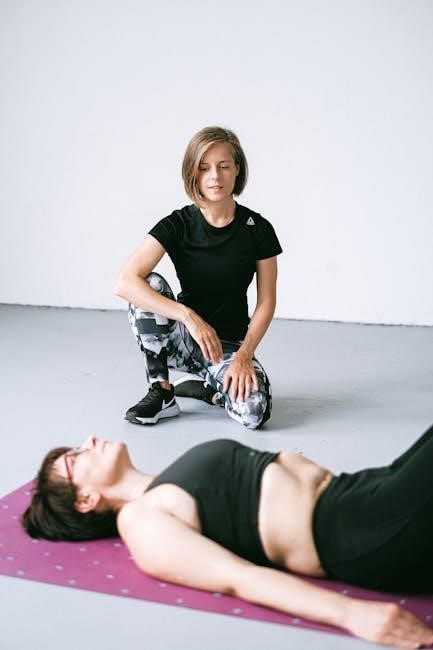
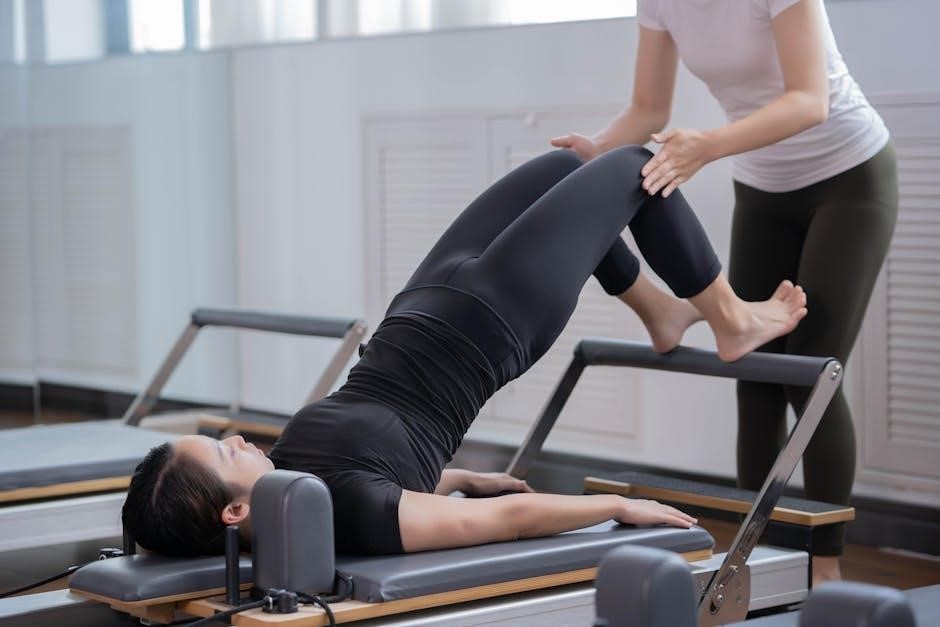
Treatment often includes manual therapy techniques to restore joint mobility and soft tissue flexibility, alongside targeted exercises to strengthen weak muscles and improve scapular control.
A 6-week exercise program focusing on shoulder impingement is frequently utilized, incorporating scapular stabilization, strengthening, and flexibility exercises.
Physiotherapists educate patients on proper posture, ergonomics, and self-management strategies to prevent recurrence and promote long-term shoulder health.
Manual Therapy Approaches
Manual therapy techniques are integral to correcting scapular dyskinesis, addressing underlying joint restrictions and soft tissue dysfunction that contribute to altered scapular mechanics.
These approaches aim to restore optimal joint kinematics and muscle length, facilitating improved scapular movement patterns and reducing pain.
Common techniques include soft tissue mobilization to release tight muscles like the upper trapezius and levator scapulae, and joint mobilization to address restrictions in the scapulothoracic and glenohumeral joints.
Mobilization of the thoracic spine is also crucial, as restrictions here can directly impact scapular positioning and movement.
These manual interventions are often combined with targeted exercises to reinforce corrected movement patterns and promote long-term stability, enhancing overall shoulder function.
Rehabilitation Protocols
Rehabilitation involves progressive exercise programs focusing on flexibility, core/hip strength, and scapular control, crucial for restoring optimal shoulder mechanics.
6-Week Exercise Program for Shoulder Impingement
Week 1-2: Focus on pain management and restoring cervical/thoracic mobility with chin tucks and upper trapezius stretches. Initiate scapular awareness exercises like scapular retractions, performed gently to avoid aggravation. Begin with low-intensity band pull-aparts, emphasizing proper form and rhomboid activation.
Week 3-4: Progress to mid-phase stabilization. Increase band resistance for pull-aparts and introduce scapular squeezes, holding for 5-10 seconds. Add scaption exercises (30° forward flexion) with light weights, focusing on controlled movement. Incorporate external rotation exercises to strengthen rotator cuff muscles.
Week 5-6: Advance to strengthening and endurance. Increase weight in scaption and external rotation. Introduce repeated motion exercises – controlled arm elevation and lowering. Consider weighted exercises (1kg dumbbells) for added resistance, ensuring proper scapulohumeral rhythm. Monitor for pain and adjust accordingly.
Shoulder Flexibility Regimens
Cross-Body Shoulder Stretch: Gently pull the affected arm across your body, holding for 30 seconds to improve posterior capsule flexibility. Repeat 3-5 times daily.
Sleeper Stretch: Lie on your side with the affected arm bent at 90 degrees. Gently rotate your forearm downwards, feeling a stretch in the posterior shoulder. Hold for 30 seconds, repeating 3-5 times.
Doorway Pec Stretch: Place forearms on a doorway frame and lean forward, stretching the chest muscles. This improves shoulder internal rotation range of motion. Hold for 30 seconds, repeating 3-5 times.
Pendulum Exercises: Lean forward, letting the affected arm hang freely and swing gently in circles. This promotes joint mobility and reduces stiffness. Perform for 1-2 minutes, several times a day.
Hip and Core Strengthening Exercises
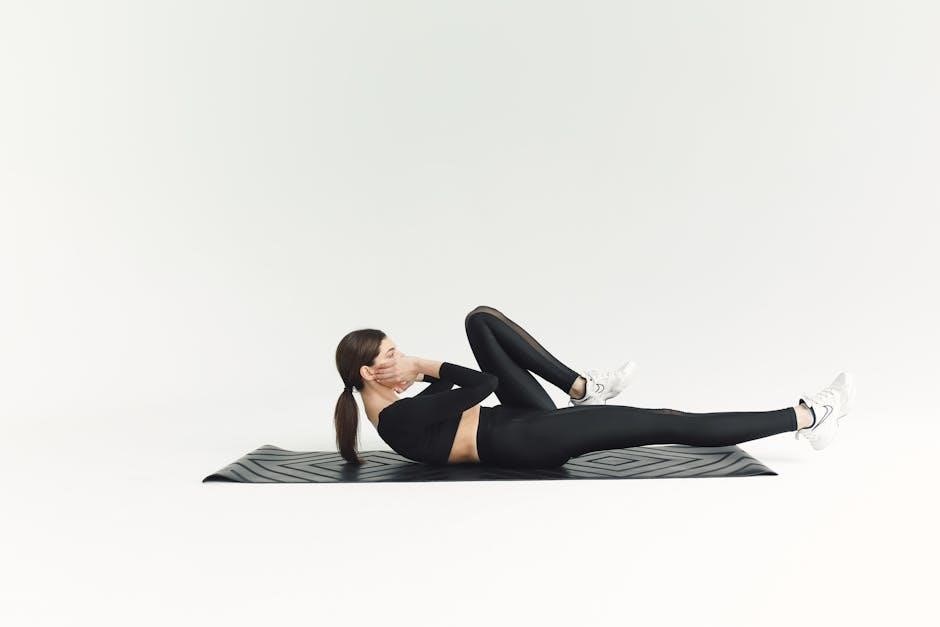
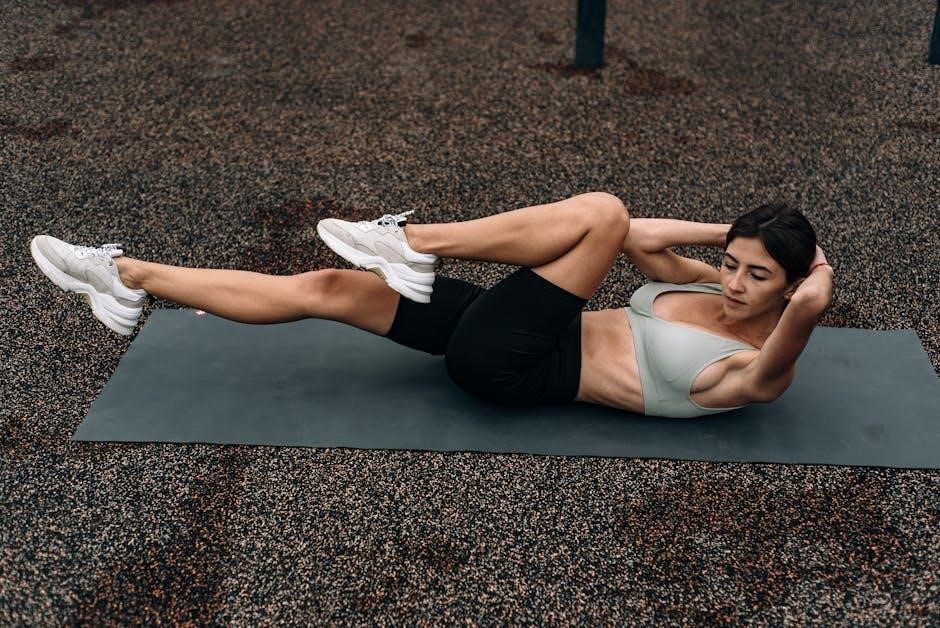
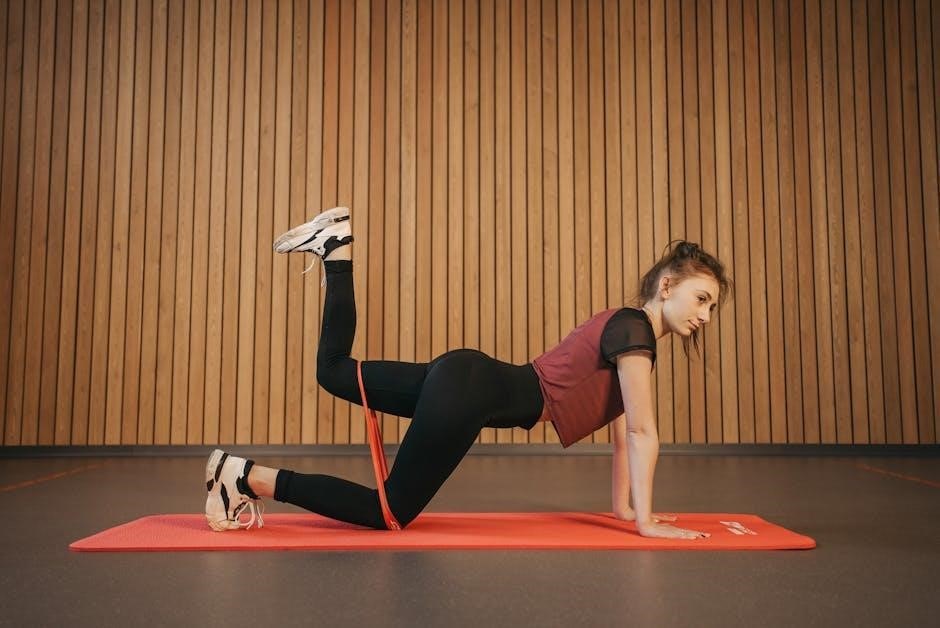
Glute Bridges: Lie on your back with knees bent and lift your hips off the ground, squeezing your glutes. This stabilizes the pelvis and supports scapular control. Perform 3 sets of 15-20 repetitions.
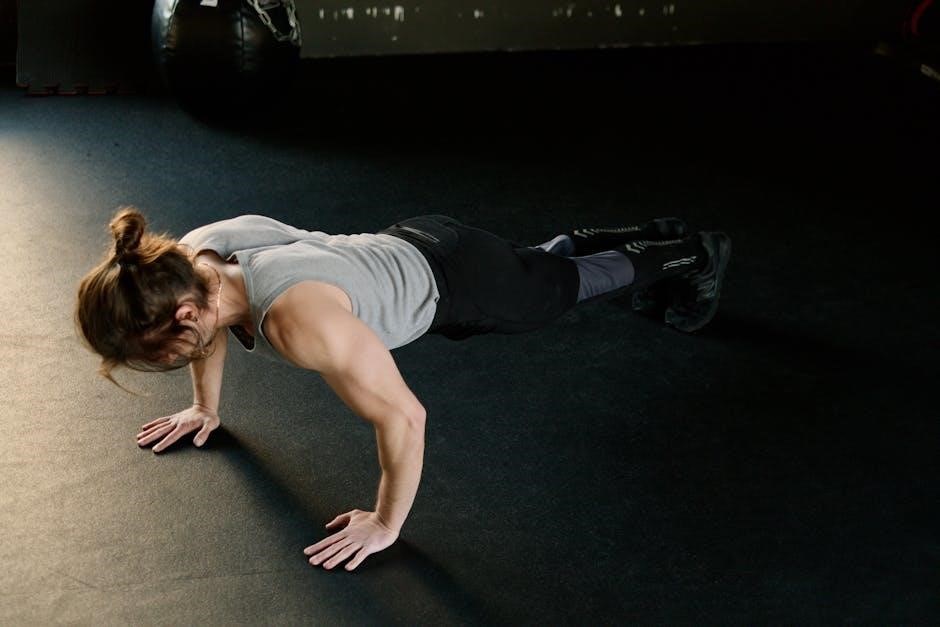
Plank: Maintain a straight line from head to heels, engaging your core muscles. This enhances trunk stability, crucial for proper scapular movement. Hold for 30-60 seconds, repeating 3-5 times.
Bird Dog: On hands and knees, extend one arm and the opposite leg simultaneously, maintaining a neutral spine. Improves core stability and coordination. Perform 3 sets of 10-12 repetitions per side.
Side Plank: Lie on your side, supporting your body weight on your forearm and feet. Strengthens oblique muscles, contributing to core and scapular stability. Hold for 30-60 seconds, repeating 3-5 times per side.

Advanced Considerations
Progressive overload with weighted exercises (like 1kg dumbbells) and repeated motions refines scapular control, enhancing endurance and functional movement patterns.
Scapular Orientation Exercises
Scapular orientation exercises are pivotal in restoring optimal shoulder mechanics and addressing dyskinesis. A key technique involves focusing on movement within the scapular plane – approximately 300 degrees of elevation, often termed ‘scaption.’ This angle minimizes impingement risk while maximizing rotator cuff and scapular muscle activation.
Patients should initiate these exercises with controlled, slow repetitions, concentrating on achieving full range of motion without compensatory trunk movements. The goal is to re-establish proper upward rotation and posterior tilting of the scapula during arm elevation. Progressing from bodyweight to light resistance, such as using resistance bands or very light dumbbells, can further challenge the stabilizing muscles.
Motion analysis studies demonstrate the effectiveness of these exercises in improving scapular kinematics. Consistent practice, coupled with awareness of proper form, is essential for long-term correction and prevention of recurrence.
Repeated Motion Exercises (Arm Elevation/Lowering)
Repeated motion exercises, specifically controlled arm elevation and lowering, are crucial for retraining scapular control and endurance. These exercises aim to improve the coordination and timing of scapular muscles throughout the full range of motion. Initially, focus on slow, deliberate movements, emphasizing proper scapular upward rotation during elevation and controlled downward rotation during lowering.
As strength and control improve, incorporate light weights (e.g., 1kg dumbbells) to increase the challenge. Maintaining a neutral spine and avoiding compensatory movements is paramount. The repetition of these movements builds muscular endurance and reinforces correct movement patterns, addressing the underlying deficits contributing to scapular dyskinesis.
These exercises are often integrated into rehabilitation programs following shoulder impingement, promoting functional recovery and preventing future issues.
Weighted Exercises (1kg Dumbbells)
Weighted exercises, utilizing light dumbbells (typically 1kg), progressively challenge scapular stabilizers and strengthen the surrounding musculature. Introducing a small load enhances neuromuscular activation, promoting more efficient and controlled scapular movement patterns. Begin with exercises like scapular protraction and retraction with dumbbells, focusing on maintaining proper form and avoiding excessive shoulder elevation.
Progress to exercises such as weighted scaption (300° elevation) and external rotations, ensuring the scapula remains stable throughout the movement. The added resistance encourages greater muscle recruitment and improves endurance. Careful monitoring is essential to prevent compensatory movements and ensure the exercise remains pain-free.
These exercises are a vital component of later-phase rehabilitation.
Preventative Measures
Maintaining proper posture, ergonomic adjustments, and consistent exercise are vital for preventing scapular dyskinesis and ensuring long-term shoulder health and function.
Maintaining Proper Posture
Optimal posture is foundational in preventing scapular dyskinesis, as slumped shoulders contribute to altered scapular mechanics and muscle imbalances. Consciously practice cervical retraction – gently tucking your chin – to counteract forward head posture, a common postural fault.
Engage core muscles to support the spine and maintain an upright position, avoiding excessive rounding of the upper back. Be mindful of workstation ergonomics; ensure your monitor is at eye level, and your chair provides adequate lumbar support.
Regular postural checks throughout the day can reinforce correct alignment. Incorporate exercises that strengthen postural muscles, like rhomboids and lower trapezius, to actively resist slouching. Prioritizing good posture minimizes stress on the shoulder joint and promotes healthy scapular movement patterns, reducing the risk of dyskinesis development.
Ergonomic Considerations
Workplace ergonomics significantly impact scapular health, particularly for individuals with desk-bound jobs or repetitive overhead tasks. Ensure your chair supports proper lumbar curvature and allows your feet to rest flat on the floor. Position your monitor at arm’s length and eye level to prevent forward head posture, a key contributor to scapular dyskinesis.
Frequently adjust your workstation to encourage movement and avoid prolonged static postures. Utilize a keyboard and mouse that promote neutral wrist and shoulder positions. Take regular breaks to stretch and perform simple scapular exercises, like band pull-aparts, to counteract muscle fatigue.
Assess your work environment for potential stressors and implement modifications to minimize strain on the shoulder complex. Prioritizing ergonomic principles can proactively prevent scapular dyskinesis and promote long-term shoulder health.
Importance of Regular Exercise
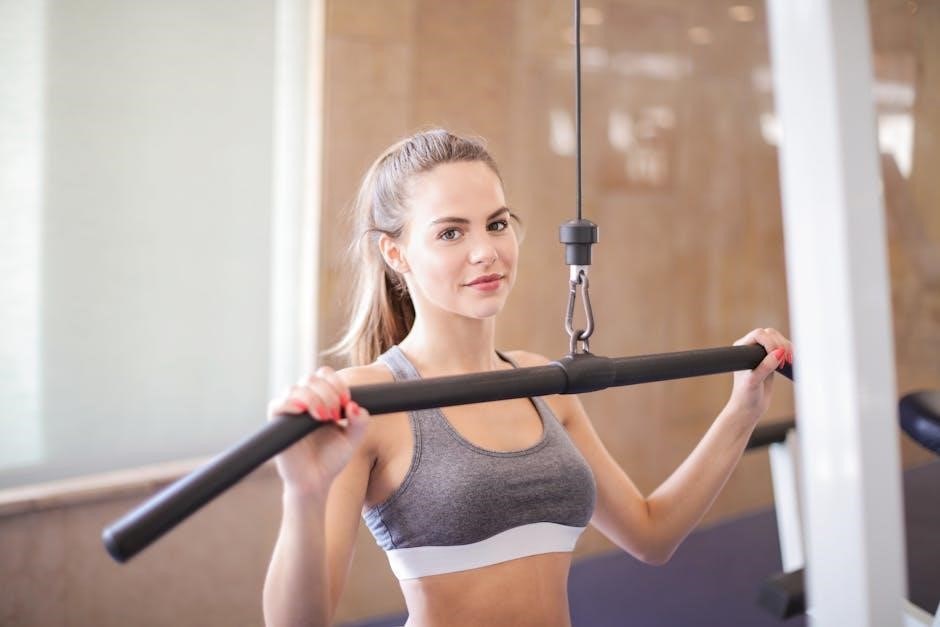
Consistent exercise is paramount in both preventing and rehabilitating scapular dyskinesis. A well-rounded program should incorporate exercises targeting the scapular stabilizers – rhomboids, trapezius, and serratus anterior – to restore proper movement patterns.
Strengthening these muscles enhances scapular control during arm elevation and reduces the risk of impingement. Include scapular squeezes, band pull-aparts, and scaption exercises in your routine. Don’t neglect core and hip strengthening, as they provide a stable base for shoulder function.
Regular physical activity improves posture, increases muscle endurance, and promotes overall shoulder health, mitigating the factors contributing to scapular dyskinesis. Prioritize a consistent exercise regimen for lasting benefits.